From RPG Games to Hyper Casual Games: The Evolution of Gaming Preferences
The world of gaming has undergone a remarkable transformation in recent years. Just like fashion trends, gaming preferences seem to change with the tide. Players once enamored with the intricate stories and immersive worlds of RPG (Role-Playing Games) are now gravitating towards the simplicity and accessibility of hyper casual games. In this article, we’ll explore this fascinating evolution, the reasons behind these shifts, and what it means for the future of gaming.
The Allure of RPG Games
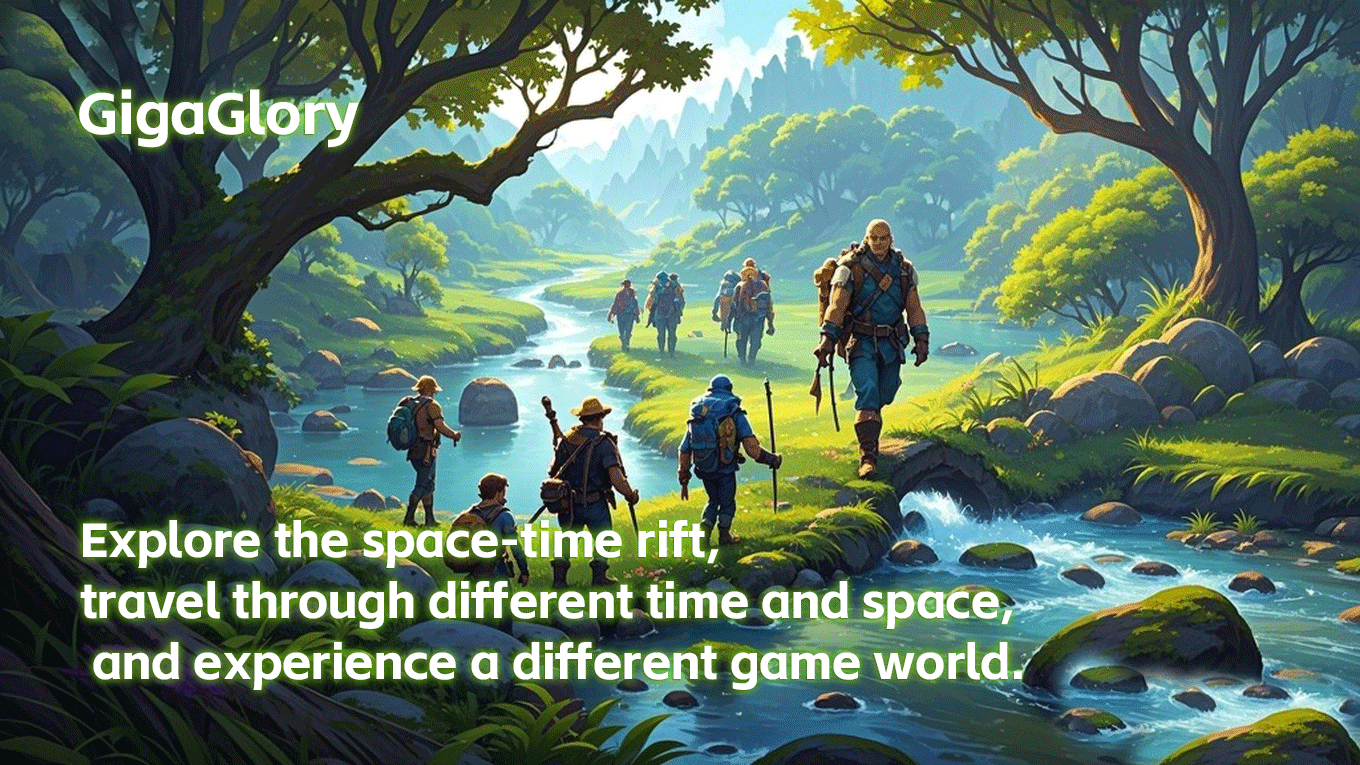
RPG games have always held a special place in the hearts of gamers. With the ability to craft your own character, embark on grand quests, and experience rich storytelling, it’s no wonder they became a staple of the gaming community. Popular titles like Final Fantasy and The Witcher have captivated players with their epic sagas, complex characters, and expansive universes.
These games often require a significant investment of time. Players dive deep into their chosen worlds, learning the lore, mastering intricate battle systems, and forming emotional connections with the characters they control. RPG fans appreciate the sense of accomplishment that comes from leveling up and completing quests, making the genre particularly addictive.
The Rise of Hyper Casual Games
However, as the gaming landscape expanded, so did the diversity of available games. Enter hyper casual games – a genre that exploded onto the scene, primarily due to smartphones. These games are characterized by their simple mechanics and short play sessions, often designed to be picked up and played in a matter of minutes.
Titles like Helix Jump and Paper.io epitomize the hyper casual genre, often featuring minimalistic graphics and easy-to-understand gameplay. Players can jump in and out without the daunting pressure of an ongoing RPG campaign. As life gets busier, many players seek quick entertainment in their pockets.
Key Features: RPG vs. Hyper Casual Games
| Feature | RPG Games | Hyper Casual Games |
|---|---|---|
| Gameplay Depth | High | Low |
| Time Investment | Significant | Minimal |
| Story Complexity | Rich | Simple |
| Graphics | Diverse and Detailed | Minimalist |
What Drives This Change?
The shift in gaming preferences is influenced by several factors:
- Time Constraints: As life accelerates, many players find themselves squeezed for time. They need games that fit into their busy schedules.
- Accessibility: Hyper casual games are predominantly free and available on various mobile platforms, making them highly accessible to a broader audience.
- Social Connectivity: Many hyper casual games incorporate social features, allowing players to compete and share scores, adding an element of social interaction.
The Impact of Mobile Gaming
Mobile gaming has changed the way we view and interact with games. With high-speed internet and powerful smartphones, players can enjoy gaming anywhere. This accessibility has propelled the popularity of hyper casual games, as they're perfectly suited for quick gaming sessions during commutes or breaks.
Consider titles like Clash of Clans. While it requires a bit more commitment than typical hyper casual games, it balances accessibility and engagement well. This dual nature appeals to both casual players and those who enjoy strategy.
Will Delta Force Release Date Affect Gaming Trends?
As we ponder the future, many gamers are curious about anticipated releases like the next installment of Delta Force. Will its release reignite interest in more complex FPS and tactical games, or will the trend toward simpler gaming experiences continue? The buzz around such games highlights the power of nostalgia and how beloved franchises can draw players back into deeper gaming experiences.
What Lies Ahead for the Gaming Industry?
The gaming industry is always shifting and evolving. While RPGs may seem to take a backseat to the hyper casual trend for now, the immersion and depth of role-playing games will always retain a core audience. Many developers are beginning to blend elements of both genres – think of RPG mechanics incorporated into hyper casual formats.
For instance, imagine a simple game that allows for character customization and quest completion but can be played in five-minute intervals. Sounds intriguing, right? Such innovations could open doors to entirely new gaming experiences.
Conclusion: A Dual Future?
In conclusion, the evolution from RPG games to hyper casual gaming reflects shifting player preferences defined by lifestyle changes and technological advancements. Both genres have their merits, and each serves a distinct audience that values different aspects of the gaming experience. The future may well be a harmonious blend of rich storytelling and accessible gameplay. Regardless of the genre, the primary goal remains the same: creating engaging experiences that entertain and connect players. So whether you’re slaying dragons or jumping through hoops on your mobile, the world of gaming remains a vibrant frontier of creativity and fun.